ეს პროექტი რუსეთისადმი გულწრფელი სიყვარულისგან დაიბადა — მისი მდიდარი ისტორიის, კულტურის, არქიტექტურისა და საოცარი ქალაქების მიმართ.
ავტორის გულში განსაკუთრებული ადგილი მოსკოვს უჭირავს. ეს ქალაქია, სადაც მრავალსაუკუნოვანი ტრადიციები თანამედროვე ტექნოლოგიებს ხვდება, ისტორიული ქუჩები ახალ კვარტლებს ესაზღვრება, ყოველი რაიონი კი საკუთარ ისტორიას ინახავს.
მინდოდა შემექმნა სივრცე, სადაც შეიძლება დედაქალაქის სილამაზის ნახვა, მის ღირსშესანიშნაობებთან გაცნობა და ტრანსპორტის, არქიტექტურის, პარკებისა და ქალაქის განვითარების შესახებ გაგება.
ეს არის ვებ-სტუდია ivashkin.tech-ის დამოუკიდებელი არაკომერციული პროექტი, შექმნილი არა რეკლამისა ან გაყიდვებისთვის, არამედ საკუთარი ქვეყნის სიყვარულით და იმის გაზიარების სურვილით, რითაც აღფრთოვანება შეიძლება.
კეთილი იყოს თქვენი მობრძანება მოსკოვში — ქალაქში, რომელიც შთააგონებს!
ვებ-სტუდია ivashkin.tech-ის საავტორო პროექტი
ცენტრალური ადმინისტრაციული ოკრუგი
ტვერსკოი
აქ იწყება მოსკოვი
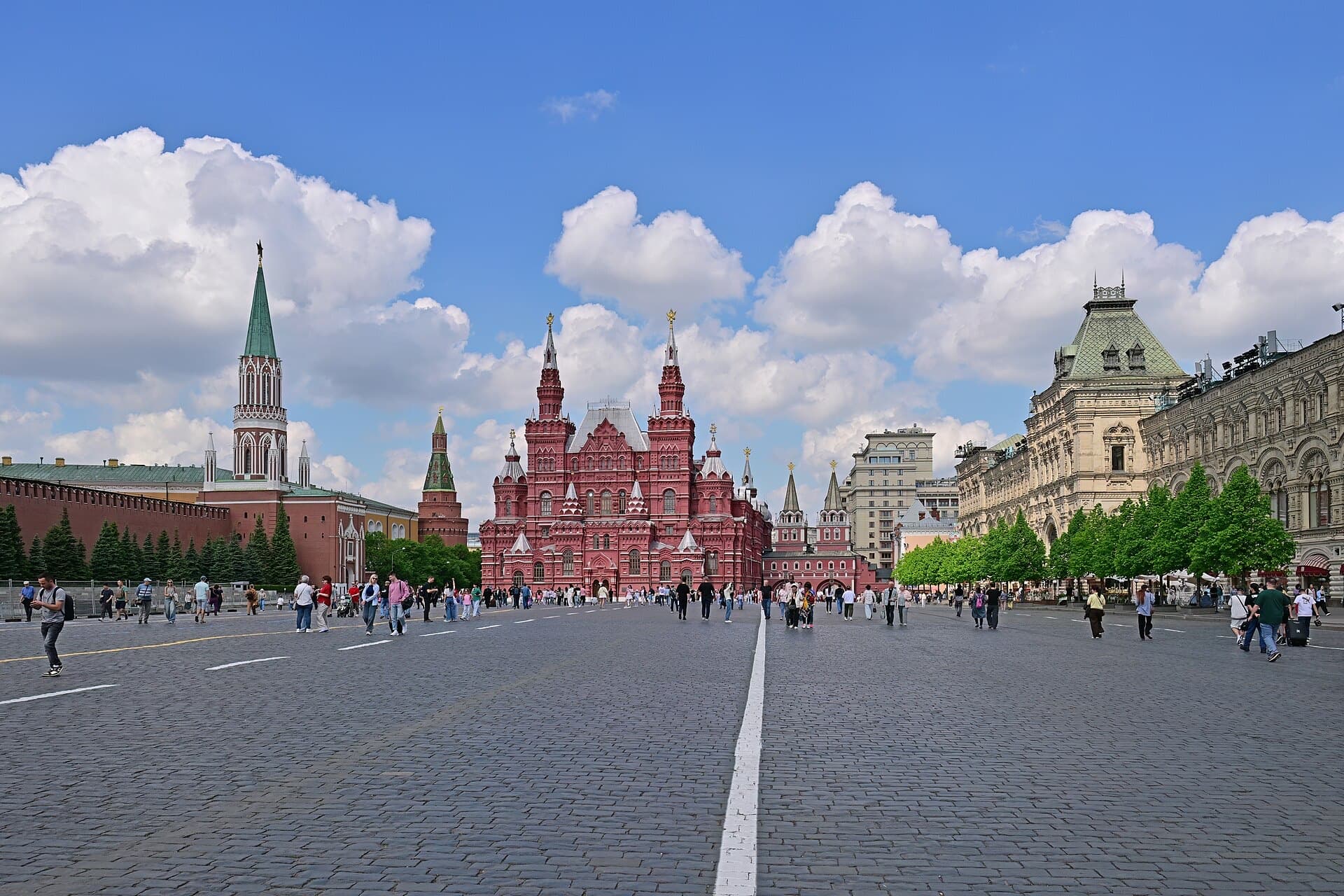
კრემლი, წითელი მოედანი, დიდი თეატრი და ქალაქის მთავარი ქუჩა — ისტორიული ბირთვი, საიდანაც მოსკოვი რგოლებად იზრდებოდა.
The district includes the Kremlin, Kitay-gorod and much of the former White Town — the Moscow where the city began. The roads to Tver, Vladimir, Ryazan and Smolensk started here and later became the radial avenues.
The name comes from Tverskaya Street, which grew out of the road to Tver and, after St Petersburg was founded, became the ceremonial entrance to the old capital. In the 1930s the street was widened: some buildings were demolished, and in 1939 the former governor-general’s residence was moved almost 14 metres back into the block.
Theatre Square took shape after the fire of 1812. Osip Bove’s Bolshoi Theatre opened in 1825; after a fire in 1853 Alberto Cavos rebuilt it, and that façade with Apollo’s quadriga became the emblem of theatrical Moscow.
ოკრუგი
ცენტრალური ადმინისტრაციული ოკრუგი
სტატუსი
რაიონი
მოსახლეობა
76 889 (მდგომარეობა: 2025)
ფართობი
7,3 კმ²
სადგურები რაიონის საზღვრებში
17
მოსახლეობა — Wikidata-ს მონაცემებით მითითებული თარიღისთვის; ფართობი გამოთვლილია OpenStreetMap-ის საზღვრით; სადგურები — საზღვრის შიგნით მდებარეობის მიხედვით.
რა ვნახოთ
Moscow Kremlin
A fortress, residence and museum ensemble. The brick walls and towers were built in 1485–1495 with the help of Italian masters.
Red Square
The country’s main square, inscribed on the UNESCO World Heritage List together with the Kremlin in 1990.
St Basil’s Cathedral
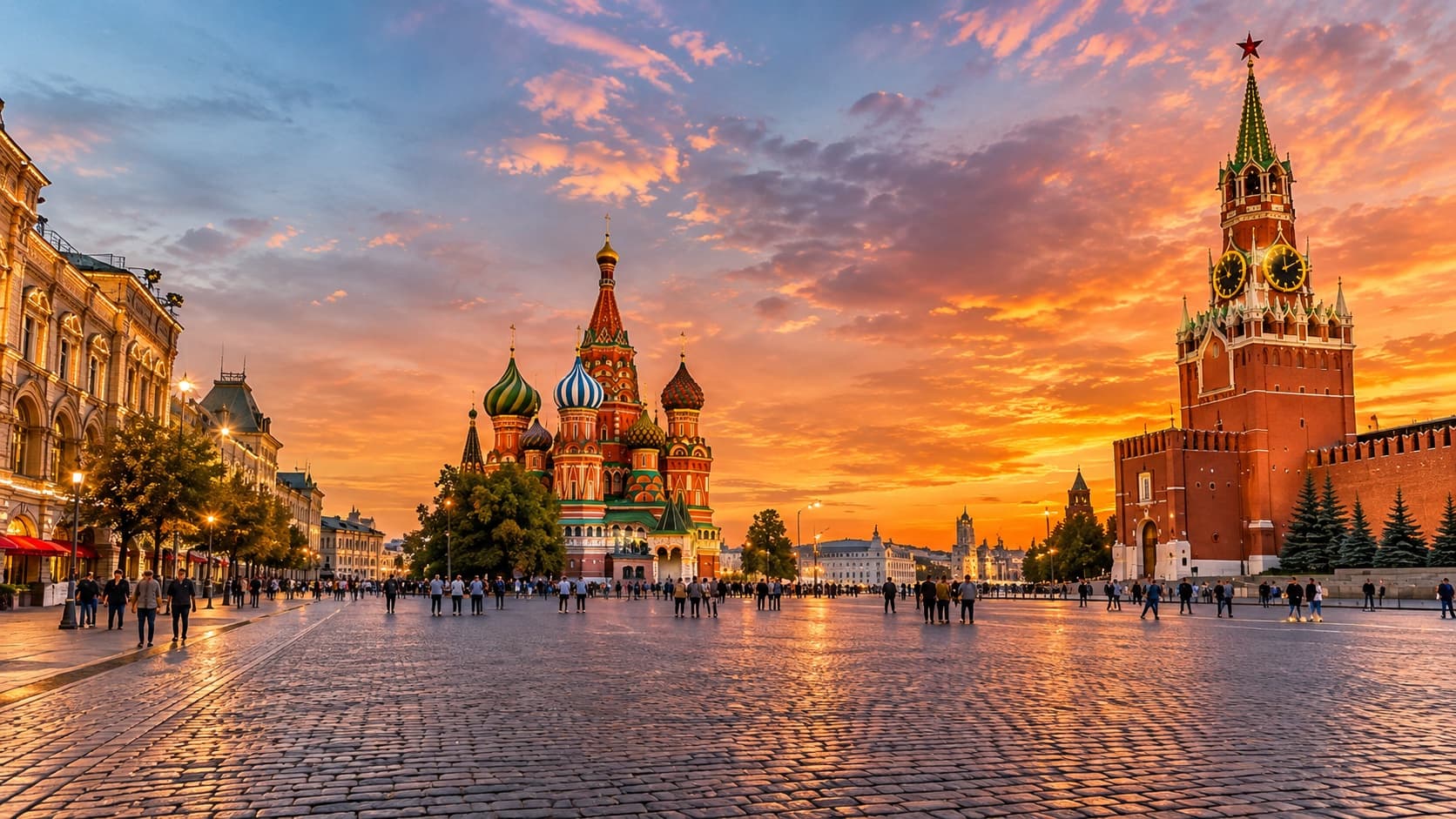
The Cathedral of the Intercession (1555–1561): nine chapels on one base and Moscow’s most recognisable silhouette.
Bolshoi Theatre
The historic stage on Theatre Square, framed by the Maly Theatre and the Russian Academic Youth Theatre.
GUM
The Upper Trading Rows of 1890–1893 by Alexander Pomerantsev, with glass roofs engineered by Vladimir Shukhov.
Nikolskaya Street
One of Kitay-gorod’s oldest streets, now pedestrian, looking towards the Kremlin’s Nikolskaya Tower.
სად ვისეირნოთ
01
Alexander Garden
Laid out in the 1820s along the Kremlin’s western wall above the Neglinnaya River, which was put underground. A guard of honour stands at the Tomb of the Unknown Soldier.
02
Hermitage Garden
An intimate garden on Karetny Ryad with summer stages and a theatre — a classic evening walk.
03
Kamergersky and Stoleshnikov
Pedestrian lanes between Tverskaya and Bolshaya Dmitrovka: cafés, bookshops and 19th-century façades.
არქიტექტურა
A district of sudden changes in scale. Ceremonial squares and state buildings sit next to the pedestrian Kamergersky and Stoleshnikov lanes, where Moscow becomes intimate again.
1485–1495
Kremlin walls and towers
Renaissance fortifications by Italian engineers; the tented tops of the towers were added in the 17th century.
1890–1893
GUM
Arcades under glass — an engineering innovation of its time and a landmark of the Russian Revival style.
1825 / 1856
Bolshoi Theatre
A classical portico with eight columns; a major restoration was completed in 2011.
1932–1935
Okhotny Ryad building
Arkady Langman’s Council of Labour and Defence building, an example of early Soviet neoclassicism, now the State Duma.
ტრანსპორტი
Almost all radial metro lines meet here, with several interchange hubs between the central stations. The historic centre is compact: many distances are quicker on foot than by train.