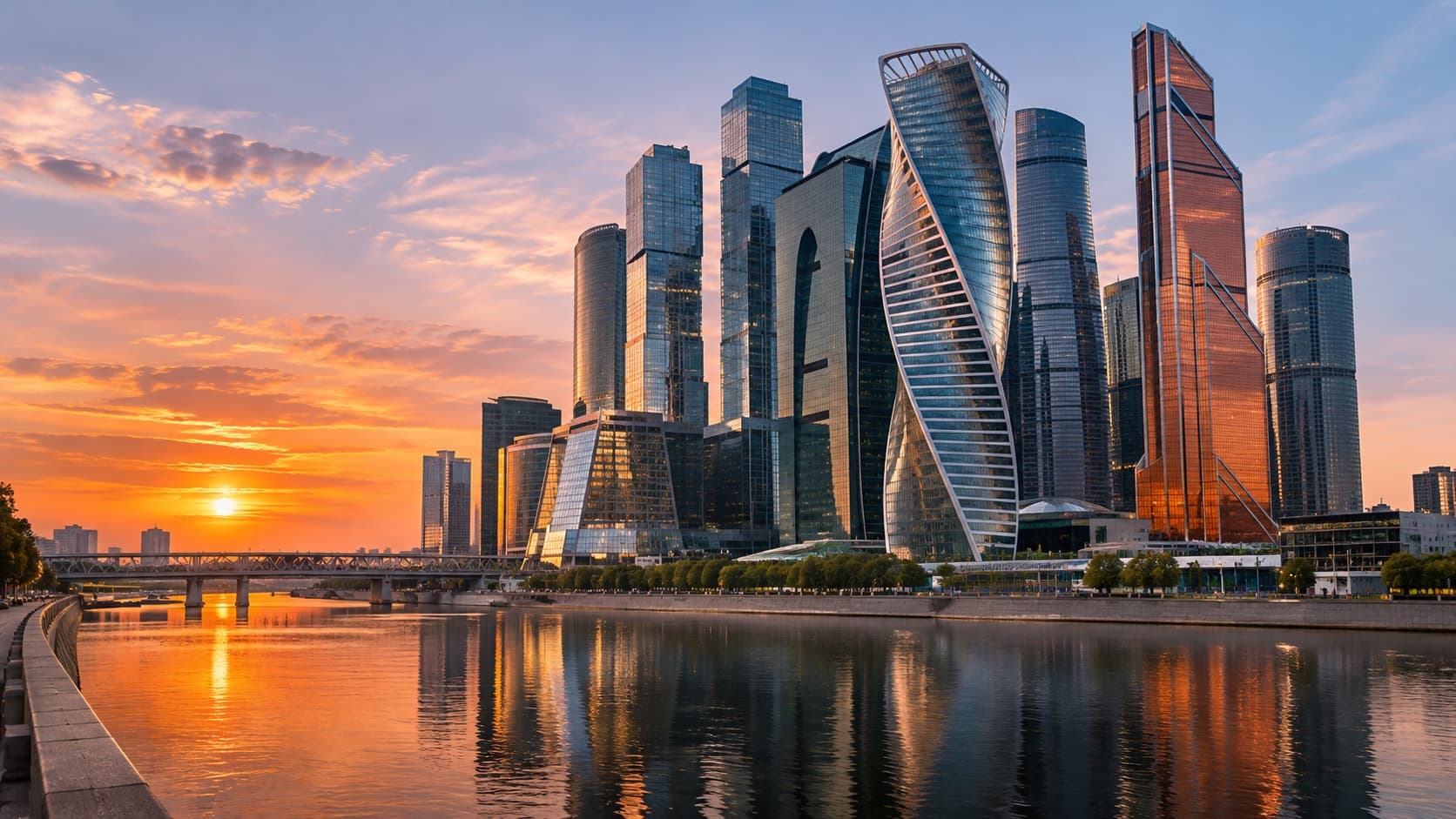
How the City was built
- 1990s
The idea
A decision is made to create a business district on Presnenskaya Embankment.
- 1997
Bagration Bridge
A pedestrian gallery bridge links the future centre with the embankment.
- 2000s
First skyscrapers
The Federation, Mercury and City of Capitals towers rise.
- 2010s
The skyline takes shape
OKO, Evolution and other towers appear; the business centre becomes recognisable from anywhere.
Landmark towers
Federation
Two towers on a shared podium; one of the tallest in Europe.
OKO
A two-tower complex with residential and office floors.
Evolution
A tower twisted into a spiral, reminiscent of a DNA strand.
Mercury
A tower with copper-gold facets that change colour with the light.
Modern architecture beyond the City
Moscow’s new buildings are not only skyscrapers. Zaryadye Park with its concert hall, GES-2 in a former power station, the Garage Museum in Gorky Park and new metro stations show how the city works with public space.
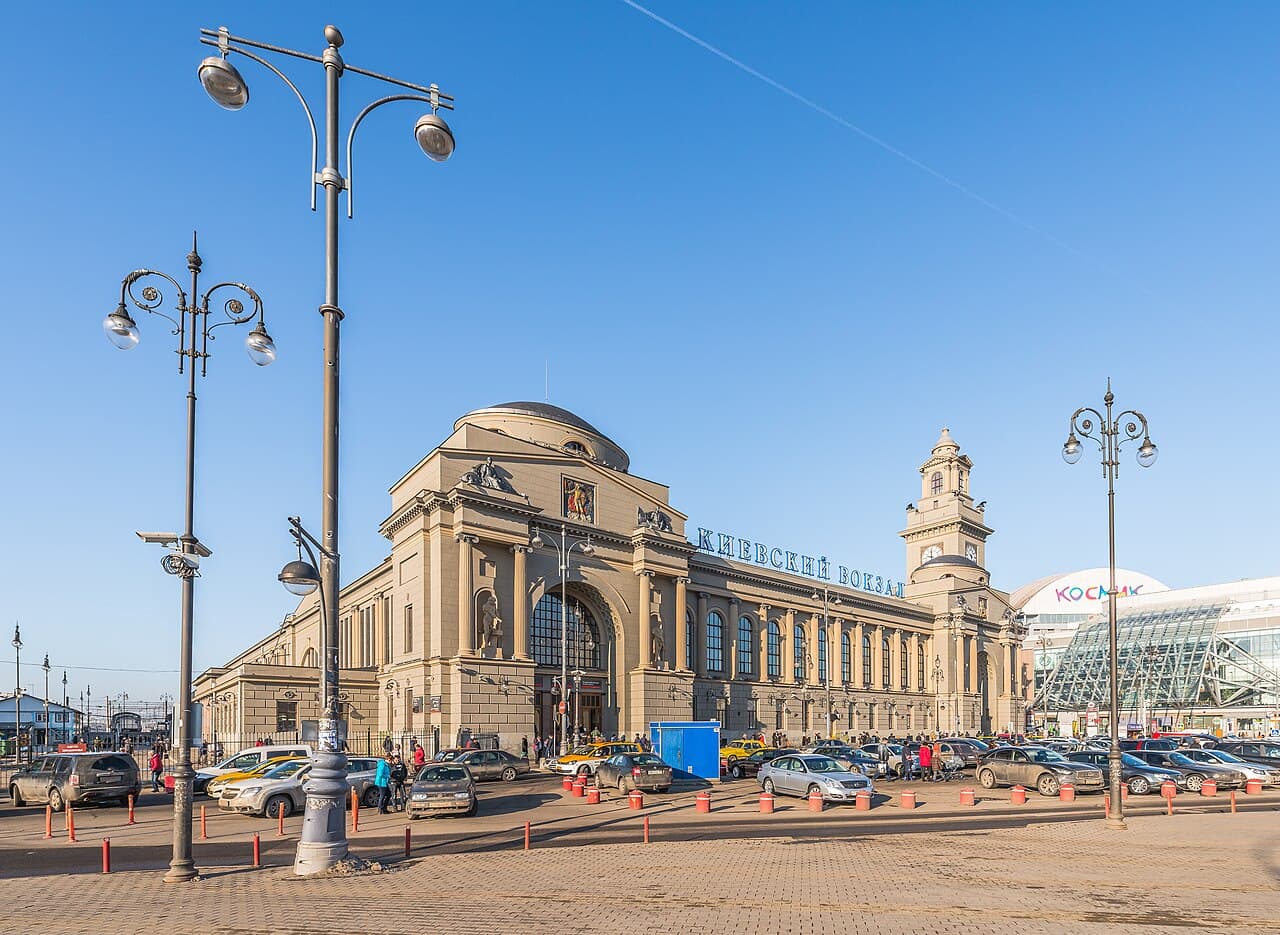
An important trend of recent years is reconstruction instead of demolition: industrial buildings, stations and pavilions get a new life while keeping their historic structures.
The City as a transport hub
- 3metro stations next to the towers
- MCCDelovoy Tsentr station
- MCD-1Testovskaya station
Un resumen independiente. Consulte horarios, tarifas y normas de visita en los sitios oficiales.